Protecting staff where engines can't be switched off
Roadvent cleans the air where traffic related air pollution exposure is highest, helping employers reduce exhaust exposure for staff and customers as part of meeting their duty of care, even where vehicles must keep running.
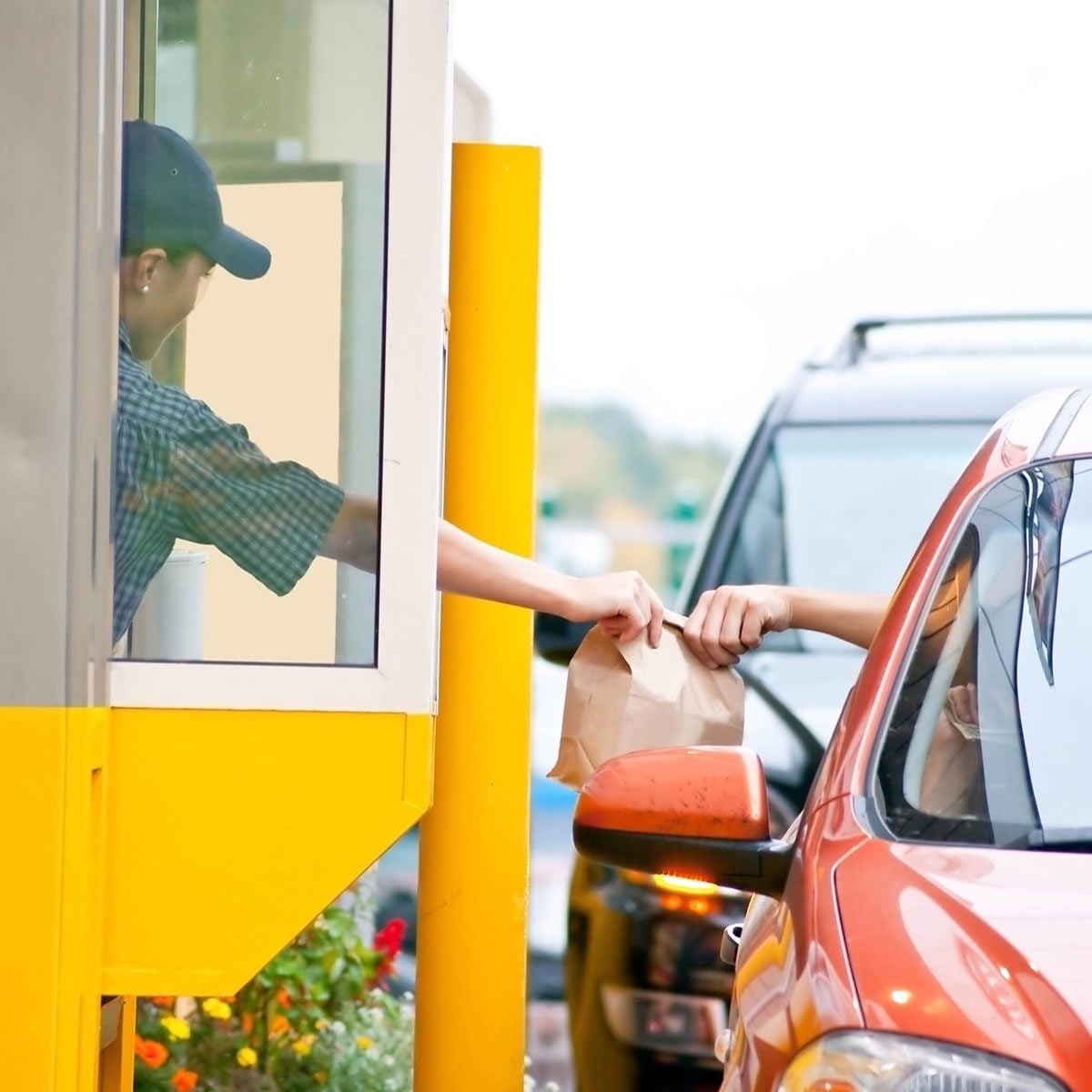
It's often not possible to ask visiting vehicles to switch off while queuing — and short on/off cycles can increase fuel use and emissions. Our patented technology reduces human exposure to pollutants at the workplace without requiring a change in vehicle behaviour.
Employers have a duty of care to protect staff from harmful exposure.
In Great Britain, employers have to meet the Health and Safety at Work Act 1974, the COSHH Regulations 2002 and the Management of Health and Safety at Work Regulations 1999. Roadvent helps employers reduce exhaust exposure for staff and customers as part of meeting their duty of care, even where vehicles must keep running.
Employers must ensure, so far as is reasonably practicable, the health, safety and welfare at work of all their employees. That includes safe systems of work and the information, instruction and training staff need.
Read section 2 →Employers must assess the risk before work that could expose staff to hazardous substances, then prevent exposure or, where that is not reasonably practicable, adequately control it. Staff must be given suitable information, instruction and training.
Read regulation 7 →Employers must carry out a suitable and sufficient assessment of the risks to their employees, and to other people affected by the business, and review it when circumstances change.
Read regulation 3 →The International Agency for Research on Cancer has classified diesel engine exhaust as carcinogenic to humans (Group 1). The Health and Safety Executive publishes guidance for employers on controlling workers’ exposure to it.
HSE guidance (HSG187) →These obligations apply to every employer, whatever the sector. If staff are breathing harmful emissions at work, the employer is expected to have assessed the risk and to be controlling it.
Under COSHH, personal protective equipment is the last resort. Employers are expected to prevent exposure or control it at source first, using engineering controls and ventilation where they can.
Risk assessments must also cover other people affected by the business, so customers, contractors and neighbours near queuing vehicles belong in the picture too.

Higher emissions than in-store dining, often close to residential areas — with staff exposed at serving hatches and in car parks.
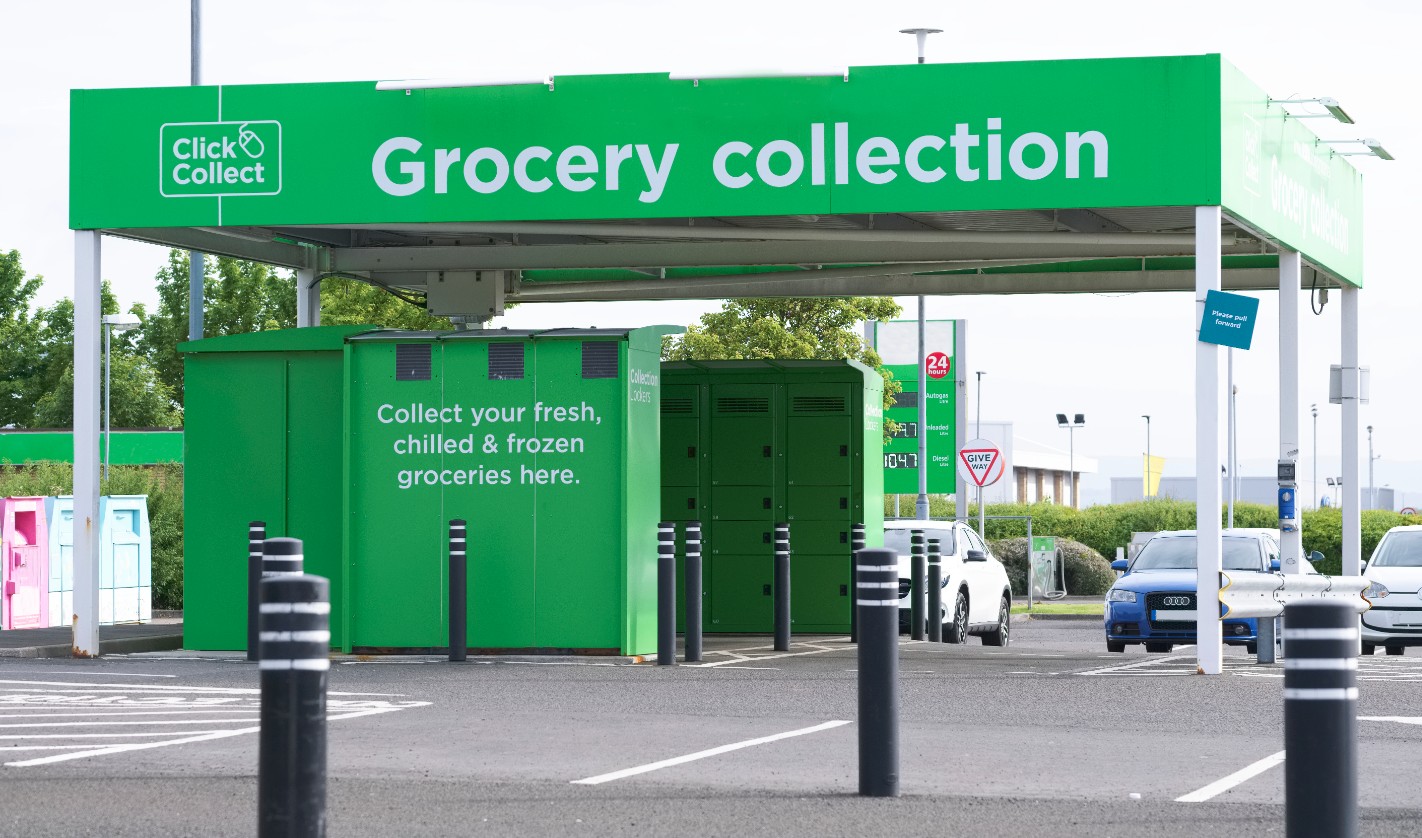
Growth in this format means more vehicles accelerating away close to staff, even where engines are meant to be off while parked.

Heavy goods vehicles emit large volumes of exhaust close to loading staff and the surrounding community.
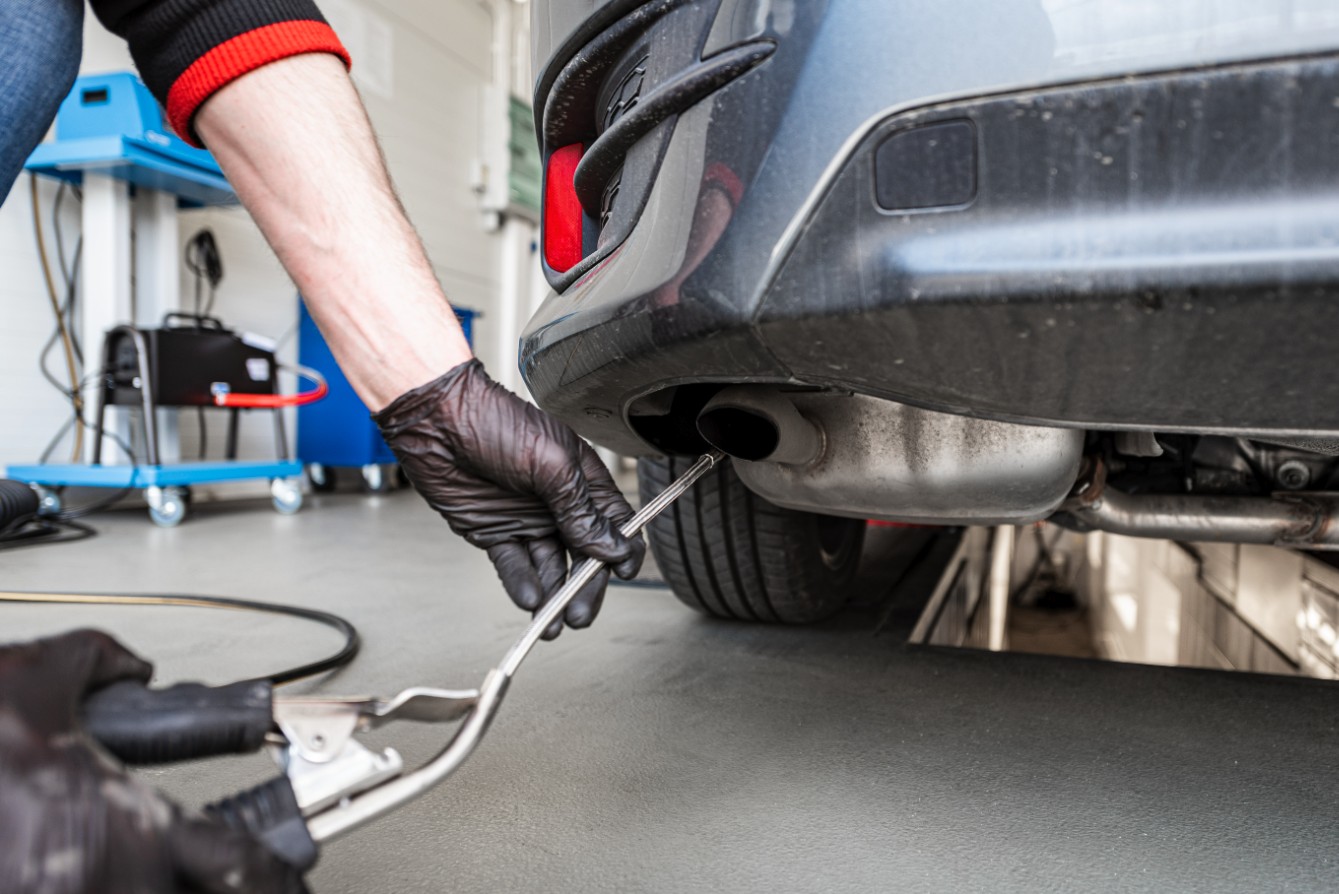
Forecourt attendants and test-bay technicians are regularly exposed to running engines at close range.
Registered office: Manufactory House, Bell Lane, Hertford, SG14 1BP
(+44) 0203 475 8741