© All rights reserved.
Pollution Solution
  • Home
  • Roadvent
  • Railvent
  • About us
  • Public sector
  • Private sector
  • Contact
  • Tunnelvent
  • Evidence
  • News
  • Accessibility statement
Pollution Solution
Pollution Solution
Home
Technology ▾
Roadvent
In-road systems for traffic hotspots
Railvent
Platform hall systems for underground rail
Tunnelvent
Filtration for road tunnel ventilation outlets
Sectors ▾
Public sector
Helping authorities meet air quality targets
Private sector
Protecting staff where engines can't be switched off
EvidenceNewsAboutContact
Technology / Roadvent
Live & independently verified

How Roadvent captures and cleans pollution before it's inhaled

Our founder had a simple question while standing beside a queue of idling traffic: could the road itself capture these emissions? That question became a three-stage filtration system, independently tested at UTAC Millbrook Proving Ground.
Enquire about RoadventDownload technical specification (PDF)
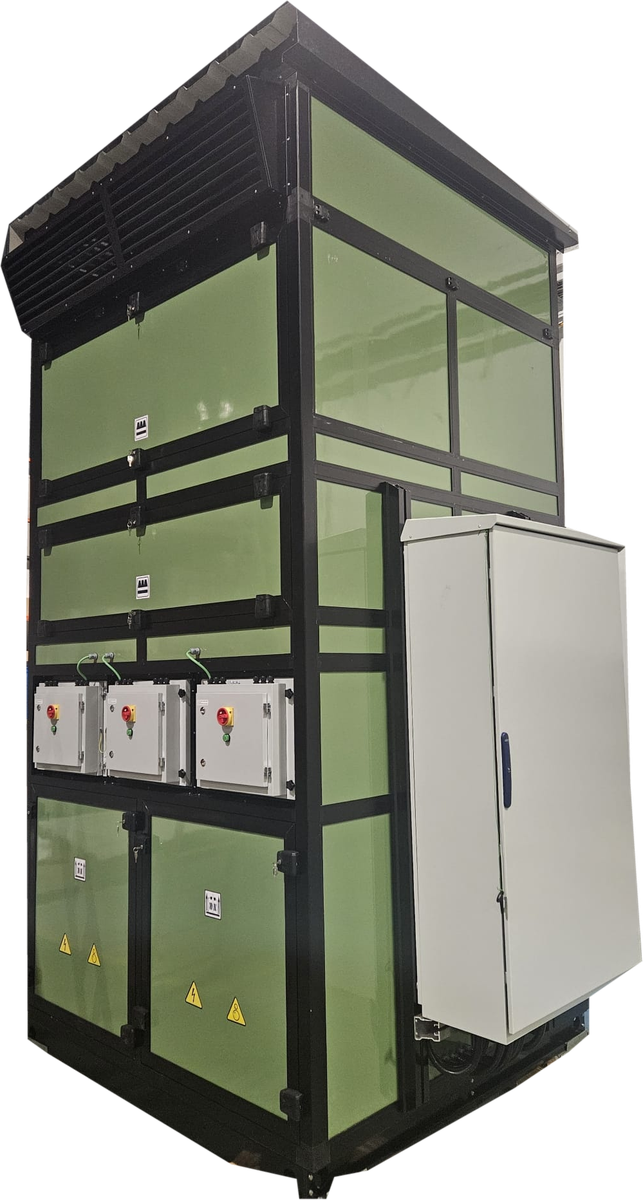
Roadvent air handling unit in green, with control cabinet attached, shown on a transparent background
Roadvent air handling unit
Pollutants captured & cleaned
Particulate matter

PM2.5–PM10, captured by the electrostatic and HEPA stages, down to 0.3μm.

Target exhaust gases

NO₂, NO, VOCs and H₂S via activated carbon filtration.

Other exhaust gases

SO₂ and HCl, captured by the same broad-spectrum carbon stage.
Independent test data
91%
Reduction in exposure to vehicle emissions at the roadside
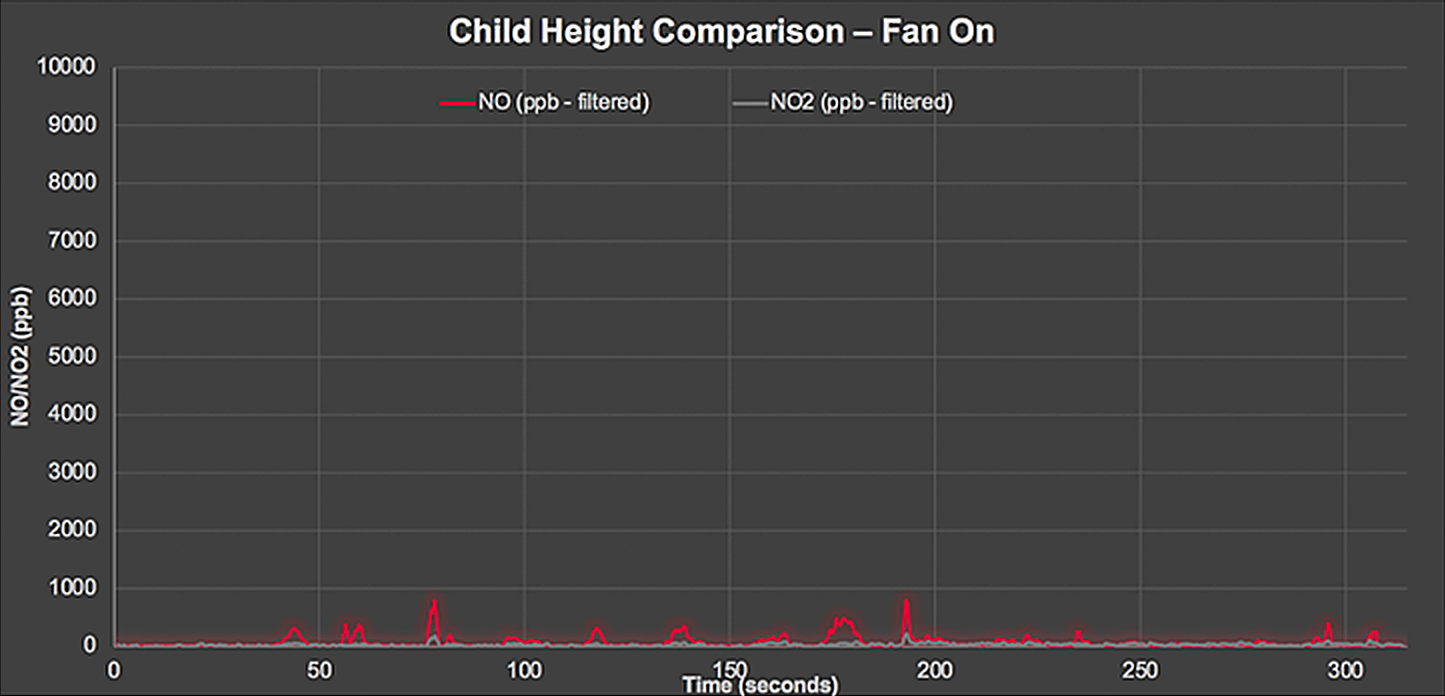
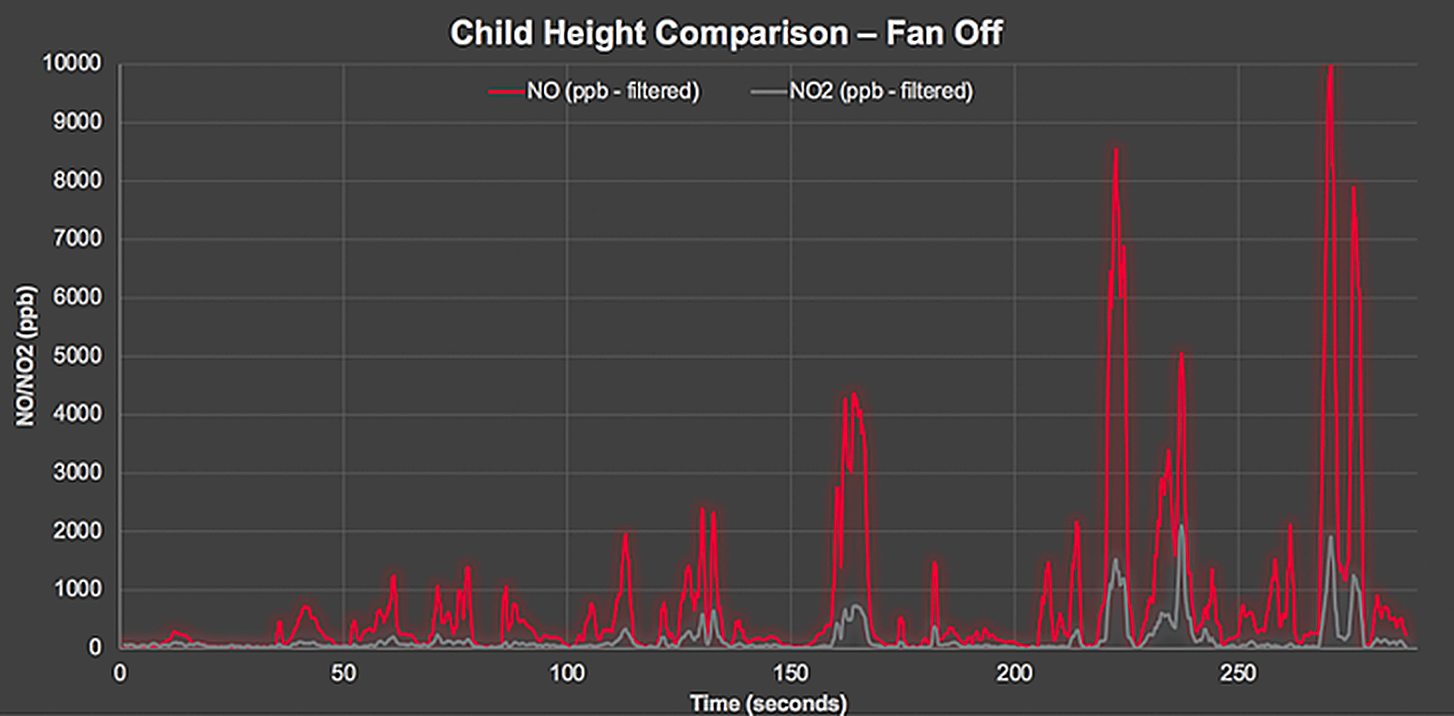
Independently measured at child face-height at UTAC Millbrook Proving Ground, with the Roadvent fan off and on. Both charts below use the same scale.
Chart of NO and NO2 at child height with the Roadvent fan off, showing repeated spikes up to about 10,000 ppb
OFF
Roadvent system off: repeated spikes in roadside exposure, peaking near 10,000 ppb.
Chart of NO and NO2 at child height with the Roadvent fan on, showing readings close to zero on the same scale
ON
Roadvent system on: readings stay close to zero on the same scale.
Roadside NO and NO₂ readings at child face-height, on the same scale, with the fan off and on. *Dr Peckham M., Parnell J. Assessment of road based air pollution control (Roadvent), 2022.
See the full test reports and testing video →
Case study · Lewisham
Planning permission granted

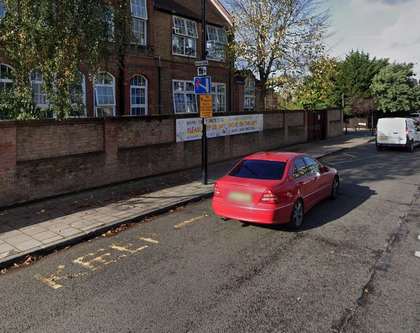
Baring Road Primary School — a Roadvent case study with Lewisham Council.

Planning permission has been granted for Lewisham Council's Roadvent pilot trial at Baring Road, funded and supported by the Mayor's Air Quality Fund and delivered with support from Pollution Solution. Lewisham will be the first council in the UK to install such a system.
Status
Planning permission granted (May 2026)
Planning ref.
DC/26/142769
Captures
NO₂, PM2.5, PM10, hydrocarbons
Operates
08:00–17:00, Mon–Fri, school term
Oversight
Lewisham EPT, with independent academic support
Street view of Baring Road with a school frontage and a parked red car
01
Why Baring Road

The school sits within an Air Quality Management Area and an Air Quality Focus Area. Traffic queues outside and nearby reduce air quality for children in the playgrounds and classrooms — exactly the kind of hotspot Roadvent is built for.

02
What will be installed

Discreet green Roadvent extraction slots in the carriageway, and an air handling cabinet inside school grounds behind an existing brick wall — so the footpath keeps its full width and the visual impact stays low.

03
Noise & monitoring

A detailed acoustic assessment found low noise impact, and additional independent air-quality monitoring is already in place to validate the system's performance.

How it works

How Roadvent works.

Select a stage to see what happens.

LIVE STATUSTwo slot drains per lane,flush with the roadCentral extraction pipeRoadside cabineton the footwayINSIDE THE CABINETFanESPHEPACarbon1Vehicle emissions2Roadvent inlet3Extraction4Filtration5Monitoring6Cleaner air

Vehicle emissions

Traffic pollution is at its most concentrated right where it is released, at the roadside, where people breathe it in.

Roadvent inlet

Discreet linear slot drains set into the carriageway sit almost flush with the road surface. Cars, cycles and pedestrians pass over them like any other section of road, while they draw in emissions at the point of release.

Air extraction

A central extraction pipe carries the air to a purification cabinet beside the road. Energy-efficient fans pull it through, and speed up as the filters load to hold suction constant.

Filtration

Three stages: electrostatic precipitation, HEPA filtration, then activated carbon to adsorb harmful gases before the air is released.

Monitoring

Every unit has a hardware controller, paired with monitoring software that shows live status, filter condition at each stage and alerts for the maintenance team, over the cabinet’s 4G connection.

Cleaner air

Filtered air is released at the roadside. Independently measured at UTAC Millbrook Proving Ground, Roadvent reduced exposure to vehicle emissions at child face-height by 91%.

Illustrative cut-away, not to scale. Layouts vary by site.
Three-stage filtration
Up to 98%
Electrostatic precipitation

Rated efficiency of up to 98% down to 0.3 micron. Filters removed and cleaned at service intervals.

Up to 99.97%
HEPA filtration

Secondary-stage removal of particles down to 0.3 micron, in optimum conditions, depending on HEPA grade.

95%+
Activated carbon

Final-stage adsorption of harmful gases before atmospheric release.
Efficiencies shown are rated figures for each filtration stage, under optimum conditions and depending on the HEPA grade fitted. They are not a guarantee of performance at any individual site. 
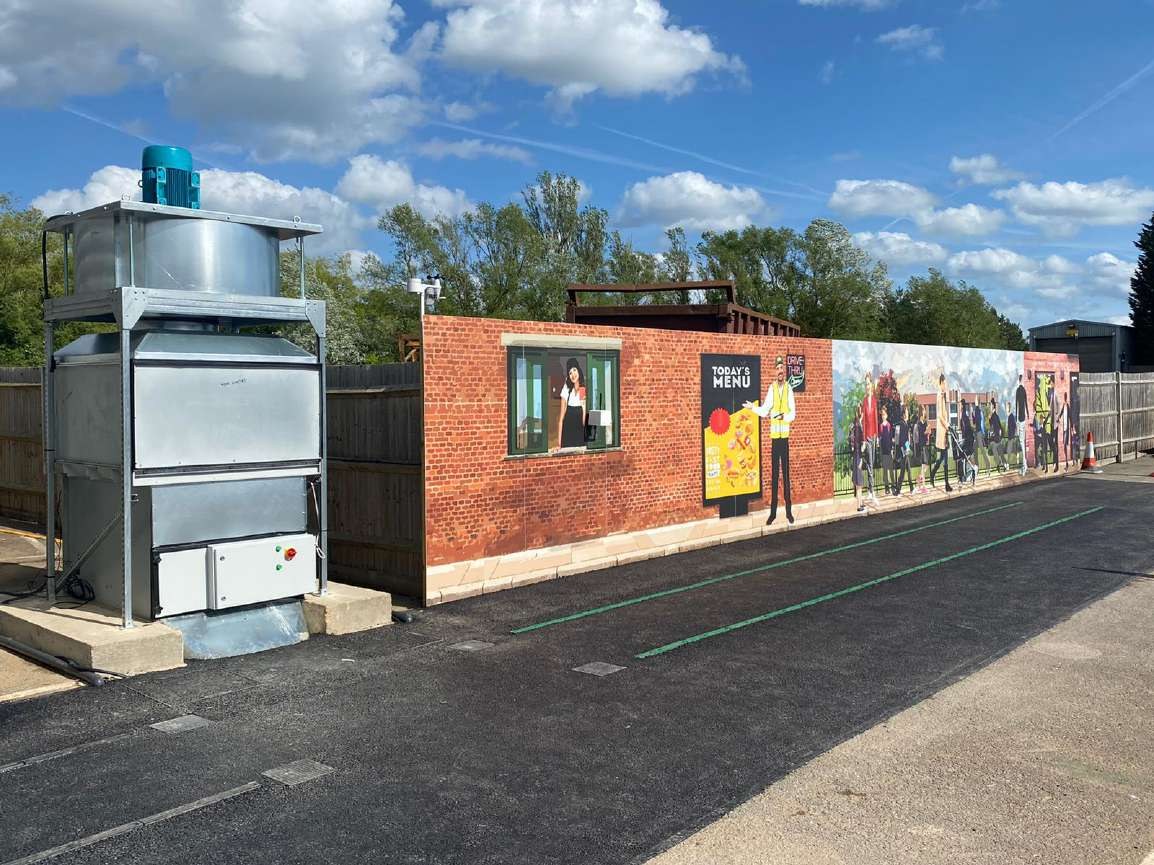
The full-scale Roadvent installation at UTAC Millbrook Proving Ground, with the air handling cabinet beside a mural and green intake slots in the road
A car driving past the Roadvent intake channels at UTAC Millbrook Proving Ground
Demonstration facility

UTAC Millbrook Proving Ground, Bedford

A full-scale Roadvent installation, used for demonstration to interested councils, partners and press.

Request more information →
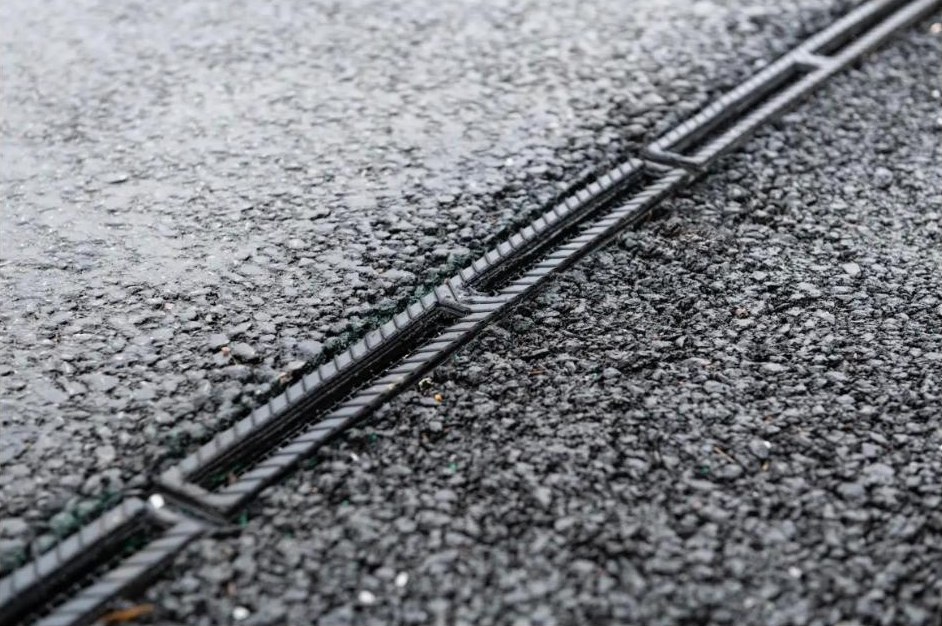
Close-up of a Roadvent intake slot set into the road surface
Intake slot, close up
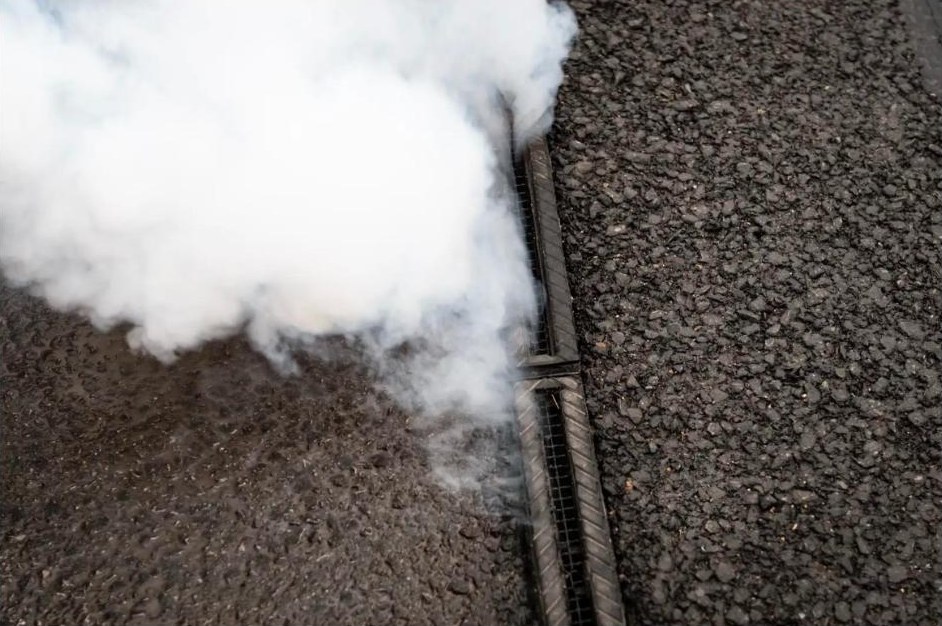
Smoke at a Roadvent intake slot in the road surface
Smoke at the intake slot
Smoke is used as a visual demonstration of road-based air pollution being drawn in at the roadside intake and carried to the Roadvent air cleaning unit.
Watch · UTAC Millbrook Proving Ground

See Roadvent at UTAC Millbrook Proving Ground.

Footage from the full-scale Roadvent installation, a shortened cut of the full test showing the vehicle approaching, drone and overhead views, smoke visualisations and emissions capture at the intake slots.
Features and key components
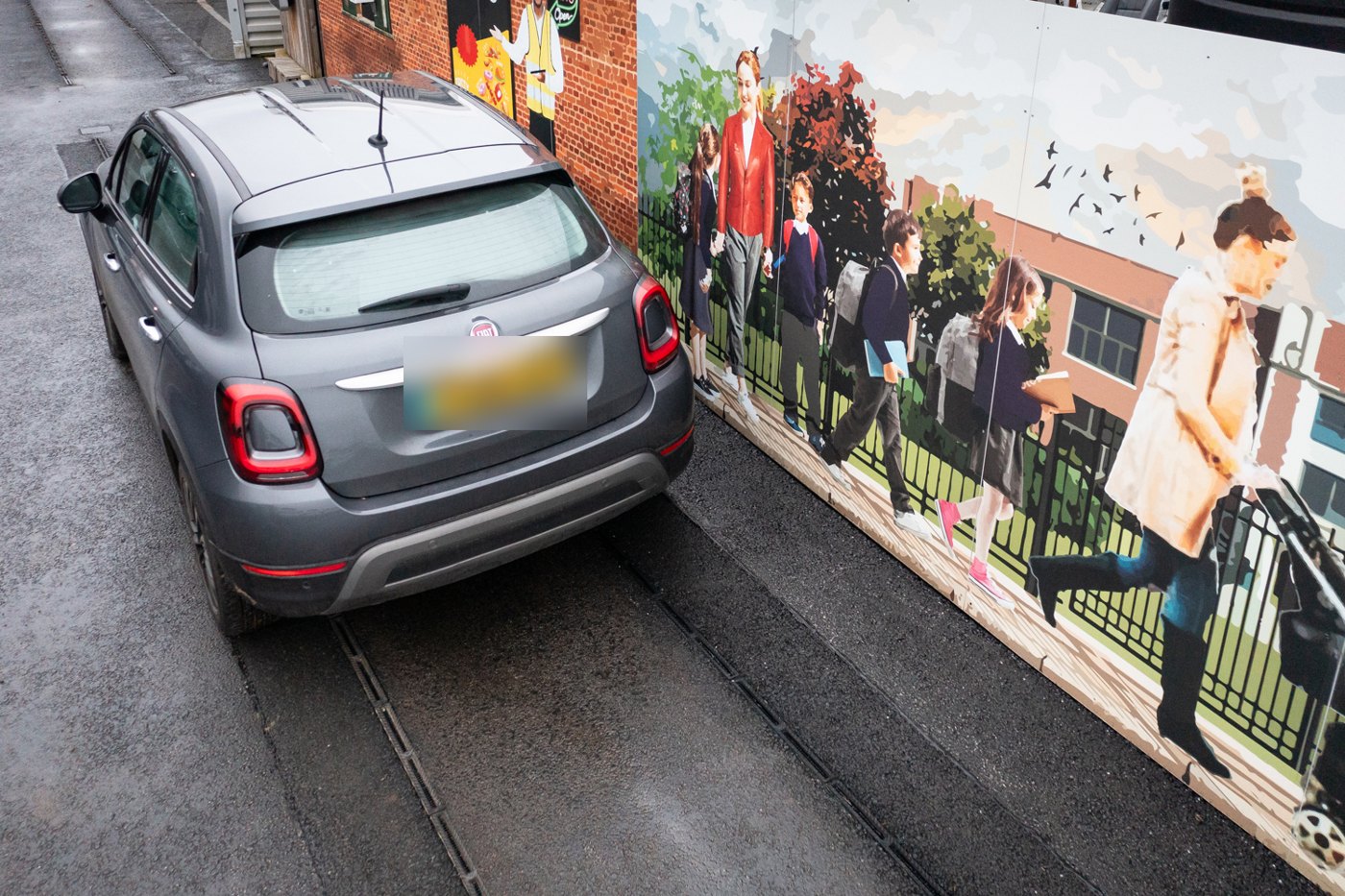
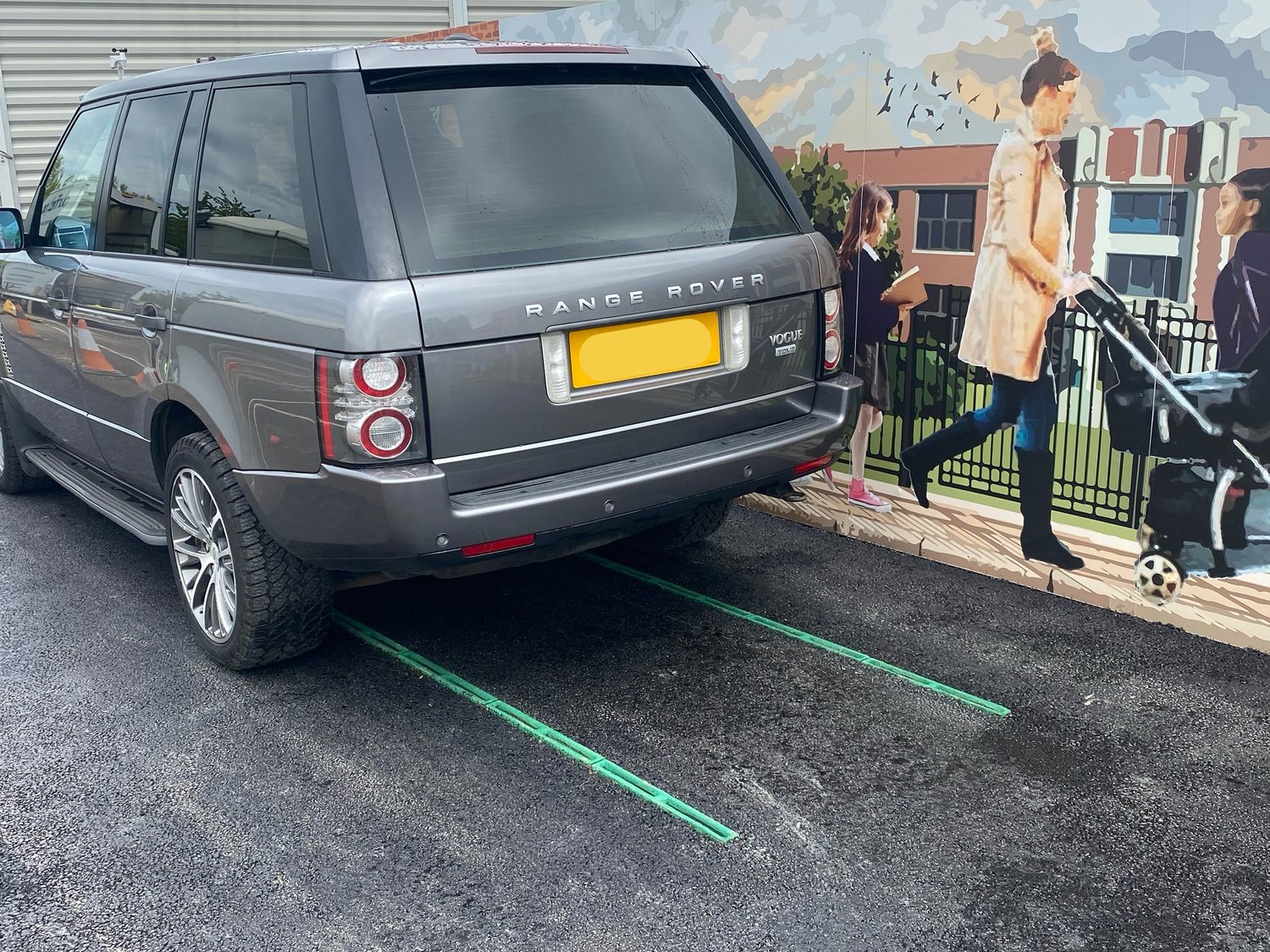
A Range Rover parked over two green Roadvent intake slots set into the road surface, beside a mural of schoolchildren and a pushchair

Built into the road surface.

Roadvent's intake slots sit within the top level of the road surface, almost flush with the finish — so cars, cycles, motorcycles and pedestrians pass over them as they would any other section of carriageway. Discreet linear slot drains connect to a compact roadside air handling unit, creating targeted suction at the source — capturing pollutants, filtering and releasing cleaner air in real time.

In the road
Linear slot drains
Intakes surface water and air pollution
Debris stopping mesh intake
Skid-resistant: independently pendulum tested at 109 PTV wet and 117 PTV dry (HSE low slip-risk benchmark: 36 PTV), to BS EN 16165 Annex C and UKSRG guidelines
Load class F900 (EN 1433), tested to 900 kN
20+ year lifespan
Made with approx. 93% recycled composite 
Skid resistance check: tested on an uninstalled sample; values may change once installed.
Recycled content as stated (“approx. 93% recycled composite”). Figures are approximate.
At the roadside
Air handling unit
Electrostatic precipitator (ESP)
HEPA filtration
Activated carbon
Energy efficient fan systems
4G connectivity
Bespoke hardware and software controls
Software & hardware controls

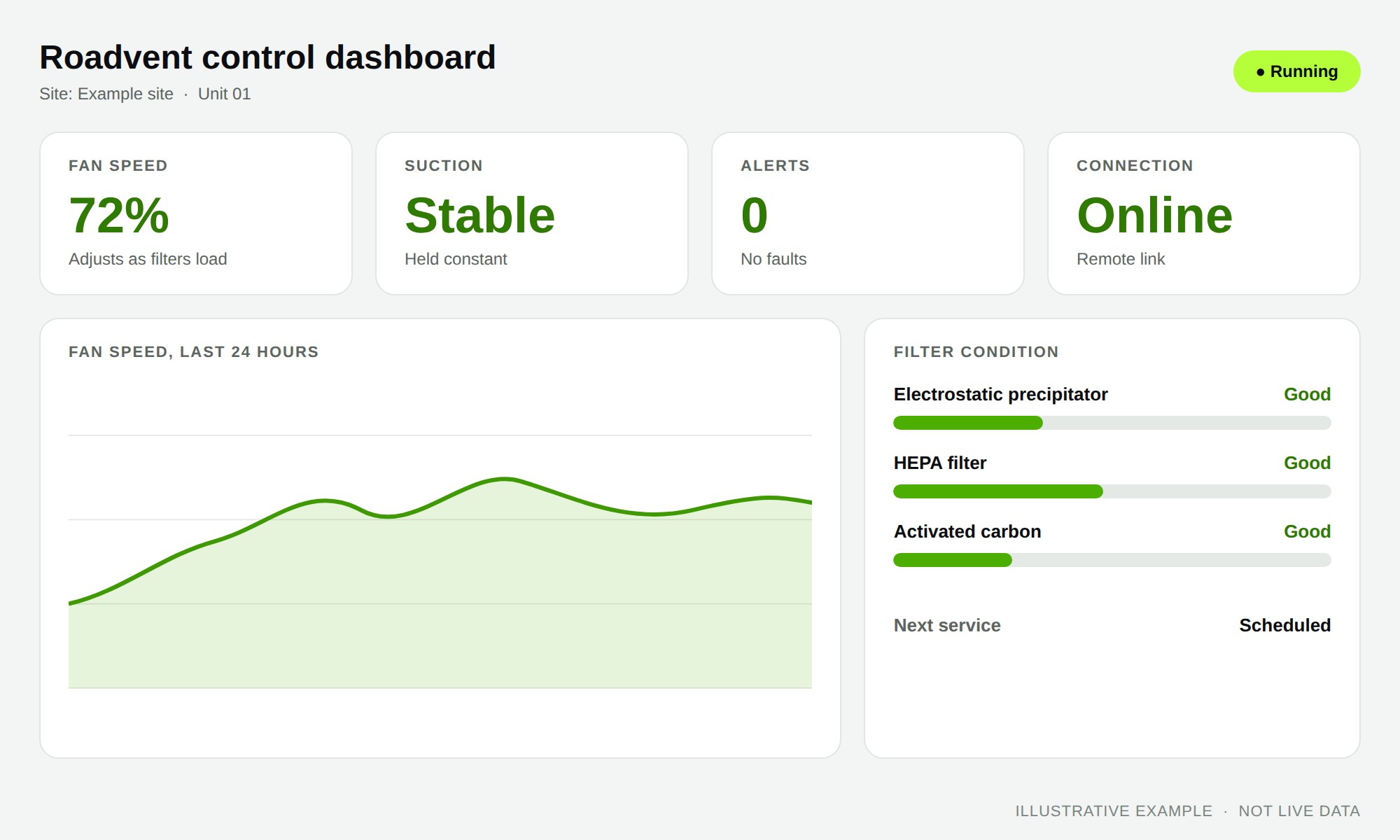
Every Roadvent unit is run by a hardware controller at the roadside, paired with software that lets operators see how it is performing and plan maintenance remotely.
At the roadside
Hardware controller
Automatic shut-down on vehicle impact, vandalism or a serious system fault
Raises fan speed as the filters load, to hold suction constant
Links the unit to the software over a remote connection
Activation scheduling, allowing for remote control of when the system runs
For operators
Monitoring software
Live status of the unit and its fans
Filter condition at each stage, so servicing can be scheduled
Diagnostics and alerts for the maintenance team
Illustrative example of a Roadvent control dashboard on a light theme, showing fan speed, suction, alerts, connection status and filter condition
Illustrative example of a control dashboard, to show the kind of information operators see. Not live data.
Finishes & colours

Offered in a range of finishes and colours.

The Roadvent air handling unit is available in a choice of finishes and colours — shown here in beige, and in green at the top of this page.

Ask about finish options →
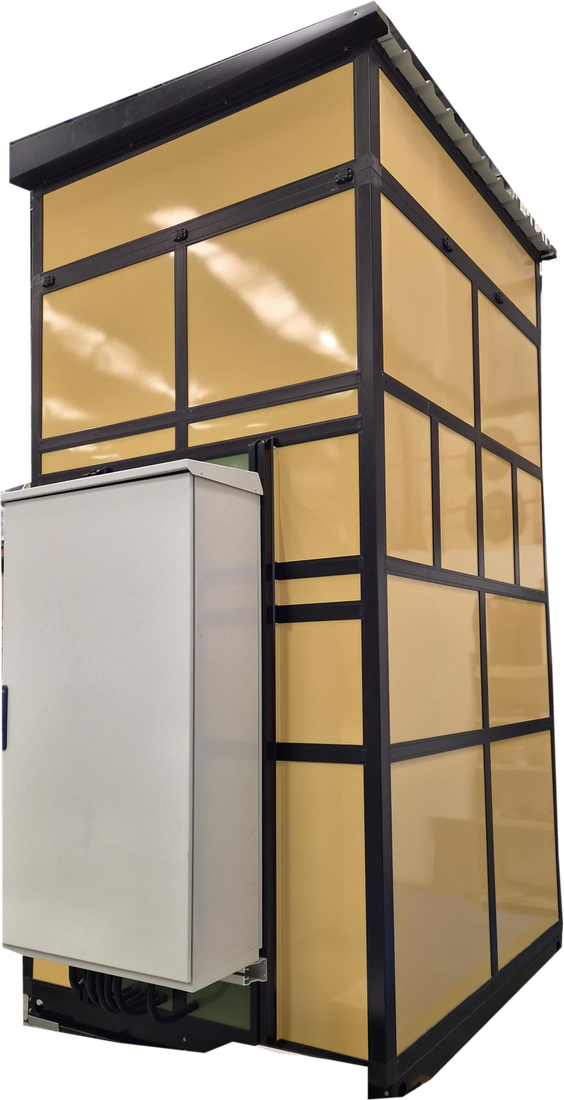
Roadvent air handling unit in a beige finish, shown on a transparent background
SHOWN IN RAL #1001
Frequently asked questions
Does Roadvent intake water as well as polluted air?
Yes. The linear slot drains are drainage channels, so they take in surface water as well as air pollution. A compressible rubber top layer limits excessive water ingress, and any water that does enter is routed to the road drainage, various sensors in the system control suction activation. Roadvent is also able to switch off during heavy rain or snow.
How often do the filters need maintenance?
Maintenance depends on how heavily polluted the captured air is, with estimated service cycles of 3–6 months. A pressure sensor in the roadside cabinet detects when the filters are filling and alerts the maintenance provider over the cabinet’s 4G connection. The filters slide in and out of the cabinet for replacement or cleaning by our specialist contractor, and the owner authorises each visit.
How is Roadvent powered?
Roadvent connects to the local mains electricity supply, subject to survey. The air handling unit uses energy efficient fan systems, and the system can be switched on only when needed — triggered by infrared vehicle detection, linked to existing traffic loops, or run on timers — so energy isn’t wasted when there’s no traffic. We recommend operators use a green energy tariff.
Why do we need Roadvent if we're moving towards sustainable transport?
Because the transition will take time, and people are exposed to pollution in the meantime. Roadvent delivers cleaner air at roadside hotspots now, alongside cleaner vehicles and active travel rather than instead of them. Electric vehicles remove tailpipe emissions but still produce particulate matter from their wheels, tyres and brakes, which Roadvent also captures.
Our other systems
Ready for deployment
Railvent

Cleans the air in underground rail platform halls.

Explore Railvent →
Ready for deployment
Tunnelvent

Filters the air at road tunnel ventilation outlets.

Explore Tunnelvent →
Responsible for a pollution hotspot? Let’s talk about Roadvent.
Enquire about Roadvent →
Pollution Solution Holdings Limited (UK)
Registered in England and Wales · Company no. 12264671
Registered office: Manufactory House, Bell Lane, Hertford, SG14 1BP
contact@pollutionsolution.co.uk
(+44) 0203 475 8741
Independent testing & standards
Roadvent exposure reduction verified at UTAC Millbrook Proving Ground.
See the test reports
Pendulum slip-resistance tested to BS EN 16165 Annex C.
Load class F900 (EN 1433).
Patents
Roadvent patent protection in 21 territories: European patent validated in 18 states, plus the United States, China and Hong Kong.
Where we are protected
Company
Accessibility statementPrivacy PolicyCookie PolicyContact
© 2026 Pollution Solution Holdings Limited. We aim to meet WCAG 2.2 AA; read our accessibility statement.
in