Cleaning the air before it leaves the tunnel
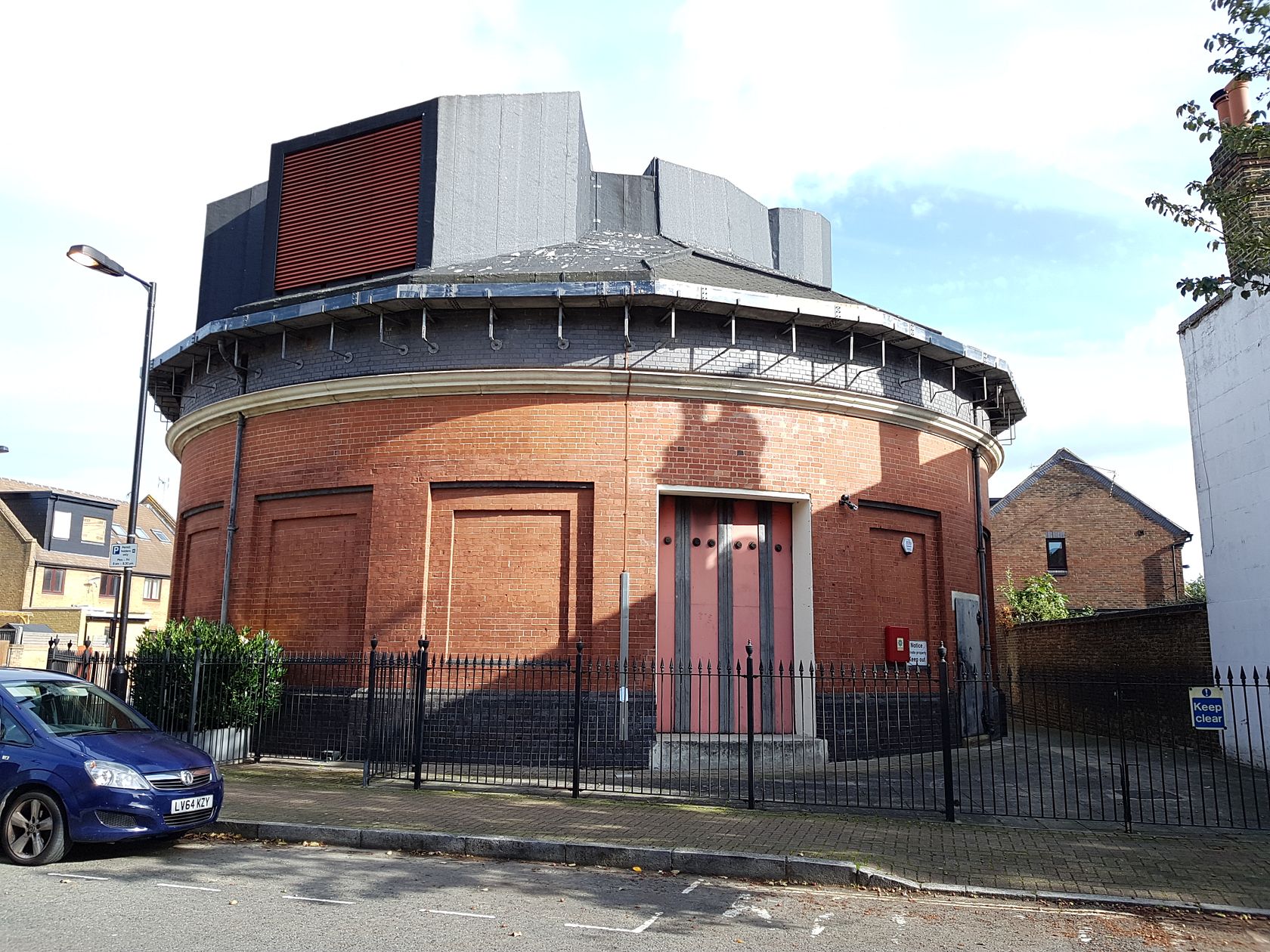
Tunnelvent brings the bespoke filtration setup used in Roadvent to the ventilation fans of road tunnels, filtering the air that is pushed out of the tunnel before it is released into the surrounding neighbourhood.
How Tunnelvent works.
Select a stage to see what happens.
Tunnel air
Existing tunnel ventilation fans extract polluted air from the tunnel, as they do today.
Sealed air path
A sealed path and plenum between the fan discharge and the filters makes sure that all of the air passes through them.
Filtration
Arrays of electrostatic precipitator (ESP) collectors capture fine particles with very little resistance, which matters for safety provisions in the event of a tunnel fire. Collectors are swapped out and the used ones taken away to be cleaned.
Monitoring
Monitoring and controls track the condition of the filter arrays, so that collector swaps can be planned.
Cleaner air released
Filtered air leaves through the outlet, so less pollution reaches people living nearby.
Tunnels concentrate vehicle emissions in a confined space with limited natural ventilation, which can trap nitrogen dioxide (NO₂) and particulate matter. Mechanical ventilation moves that air out of the tunnel, and with it the pollution, to the portals and ventilation outlets.
Air passes through the collectors with minimal resistance, which matters for the safety provisions that apply in the event of a tunnel fire.
A horizontal-outlet arrangement built above the fans in unused building space, or a vertical-outlet arrangement where the fans discharge directly into the filter units.
Collectors are delivered on pallets and swapped out, with the used collectors taken away to be cleaned.
Can be paired with Roadvent at tunnel approaches, covering the road and the outlet from one supplier.
Captures roadside vehicle emissions at traffic pollution hotspots.
Explore Roadvent →Registered office: Manufactory House, Bell Lane, Hertford, SG14 1BP
(+44) 0203 475 8741